

What causes us to age?. Aside from the fact that GOD just didn’t create us to live forever, all signs point to inflammation.
Inflammation is actually the body’s response to infection, a wound or a deeper systemic issue present in the body. It is the body’s natural response to trauma. Inflammation is a signal to the body to begin the healing process.
Without the inflammation trigger, wounds and infections would not heal. It’s an important and necessary part of skin rejuvenation, but in chronic situations, inflammation becomes destructive. As a skin care professional, it’s important you understand the difference between acute and chronic inflammation, and how it impacts the aging and rejuvenation process.
Types of Inflammation
There are two types of inflammation: acute and chronic. Acute is initial response by the body to initiate healing, usually swelling associated with this form. Chronic is prolonged inflammation which has been linked to a variety of diseases.
Acute inflammation generally lasts for up to several days to kick start the healing process. This is simply the body’s way of sending internal support to the wound site by increasing the flow of plasma and leukocytes to eliminate pathogens. Swelling indicates the area is full of plasma and leukocytes, and pain draws awareness to the damage, prompting gentle care be taken. This is normal inflammation and is a good thing in that is signifies your skin is responding properly to a wound.
Chronic inflammation is when the immune system mistakenly attacks normal tissues. When inflammation persists, it damages the skin. Prolonged inflammation has been linked as a major underlying factor in most of the challenges that plague the skin. The correlation between chronic inflammation, and skin and systemic diseases was suggested decades ago by scientists Albert Kligman, MD, and Robert Lavker, PhD, and has since been scientifically accepted. Aging, hyper-pigmentation, rosacea and eczema, to name a few, can also be traced to chronic inflammation.
5 Signs of Inflammation
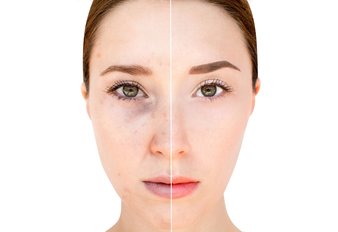
There are five principal signs of inflammation—pain, heat, redness, swelling and loss of function—all of which are essential to regenerating the skin. When the skin barrier is disrupted during the inflammation stage, platelets release pro-youth growth factors and other pro-inflammatory molecules to heal, rebuild and renew the area. Some Esthetic procedures work to trigger Acute Inflammation to cause a wound healing response. For instance, a chemical peel, it is a short term burn of the skin, causing swelling and flooding the area with plasma and luetocykes to repair the acute damage to the skin. When doing this procedure it is critical, to replenish the skin with skin-building antioxidants and growth factors to ensure the healing process can proceed.
There are a number of things that induce inflammation including skin burns; overexposure to UV rays; stress; toxins, such as pollution and smoking; trauma; alcohol; immune reactions (acne, eczema, psoriasis); and infection by pathogens (impetigo, cold sores, ). Inflammation caused by free radicals (stress, sun, smoke, and environmental burning) induces degradation of cells and reduction of collagen production. Throughout time, this Stops the body’s ability to naturally repair itself and properly respond the inflammation trigger. In turn, causes visual signs of aging.
Get Your Inflammation under Control
Topical Anti-Inflammatory Skin Solutions
Antioxidants and anti-inflammatory ingredients should not only be a part of a healthy diet, but also a part of a healthy skin regimen. Topical ingredients that are known to inhibit inflammation, matrix metalloproteinase’s (MMPs), reactive oxygen species (ROS) and glycation include the following.
- Coenzyme Q10 – the enzyme is able to penetrate deeply and provide antioxidants that help create collagen and elastin.
- Epidermal growth factor (EGF)—Composed of 53 amino acids, EGF is a protein that heals skin injuries and stimulates cell proliferation.
- Omega-6 essential fatty acids (linoleic and oleic acid)—These provide anti-inflammatory skin-building benefits.
- Peptides—These proteins work to activate tissue growth factor (TGF) and collagen production.
- Vitamin C (L-ascorbic acid)—A potent antioxidant and collagen-builder, vitamin C protects against photo damage, neutralizes ROS and supports wound-healing
Of course, one of the biggest contributors of inflammation and aging is the sun. The best defense against aging is prevention, use a SPF 30 or higher containing natural (physical) sunscreens, such as zinc.
Internal Anti-Inflammatory Solutions
A healthful, low-inflammatory diet rich in antioxidants will also support overall skin health. Advise clients to look for these antioxidants, both in food and skin care formulas:
- Vitamin A—carrots, kale, spinach, pumpkin, liver and cantaloupe;
- Vitamin C—camu camu, broccoli, brussels sprouts, guava and citrus
- Vitamin E—olive oil, walnut oil, wheat germ oil, oats, tomatoes and carrots;
- Bioflavonoids—citrus, berries, onions, tea, red wine, dark chocolate, sea buckthorn
- Polyphenols—berries, tea, dark chocolate, walnuts, peanuts and pomegranate
At Oasis Skin Care Clinic, we strive to work to replenish the nutrients the skin needs to function at its highest potential. We want the inflammatory and wound healing response to occur naturally without creating a wound and damaging the skin. The goal is to work with the skin for the best results. Schedule your appointment today.
