Why Are Corrective Treatments Often Scheduled in the Fall?

Summers in Southern Illinois are made for living outdoors. Whether you are spending the afternoon at the pool, hiking through Giant City State Park, working on the farm, tending the garden, or enjoying a weekend at the lake, sunshine is simply part of our summer lifestyle.

That outdoor time can also expose the skin to heat, ultraviolet radiation, sweat, and dehydration. By late summer, you may begin noticing more discoloration, rough texture, dryness, or fine lines—even if you have been consistent with sunscreen.

Fall is an ideal time to address these concerns with more advanced treatments. But preparing for “peel season” does not have to mean hiding inside all summer. A Nano Facial Infusion with retinaldehyde and Epidermal Growth Factor offers a gentle maintenance option that supports the skin now while helping prepare it for more corrective treatments in the fall.

Read more
facial Infusion

Prep for Fall Skin Treatments

After a summer filled with sunshine, heat, travel, and outdoor activities, your skin may enter fall looking dehydrated, uneven, or simply tired. Before moving into more advanced corrective treatments, it is important to make sure the skin is functioning well and ready for the next step.

At Oasis Skin & Wellness Center, our Nano Infusion Facial combines retinaldehyde and Epidermal Growth Factor (EGF) to support healthy renewal without the significant irritation or downtime associated with more invasive treatments. Think of it as your skin’s fall training camp—preparing it for the work ahead without exhausting it before the season even begins.

Read more

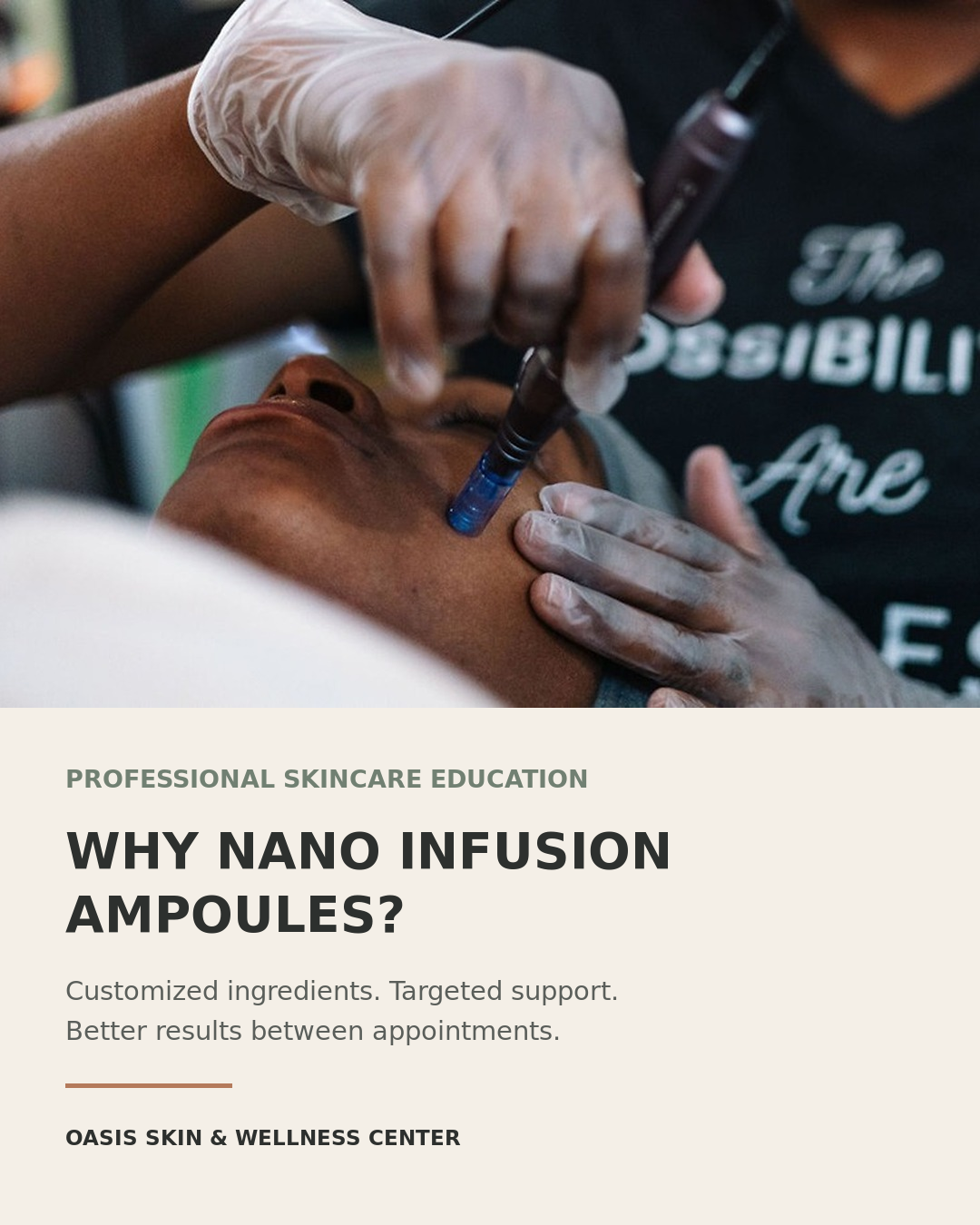
What Is a Nano Ampoule Infusion?

A nano infusion treatment uses a cosmetic nano-tip to create temporary pathways within the skin’s outermost layer. This helps distribute the selected ingredients more evenly and enhances their contact with the epidermis.

It is important to understand what nano infusion does—and what it does not do.

Read more

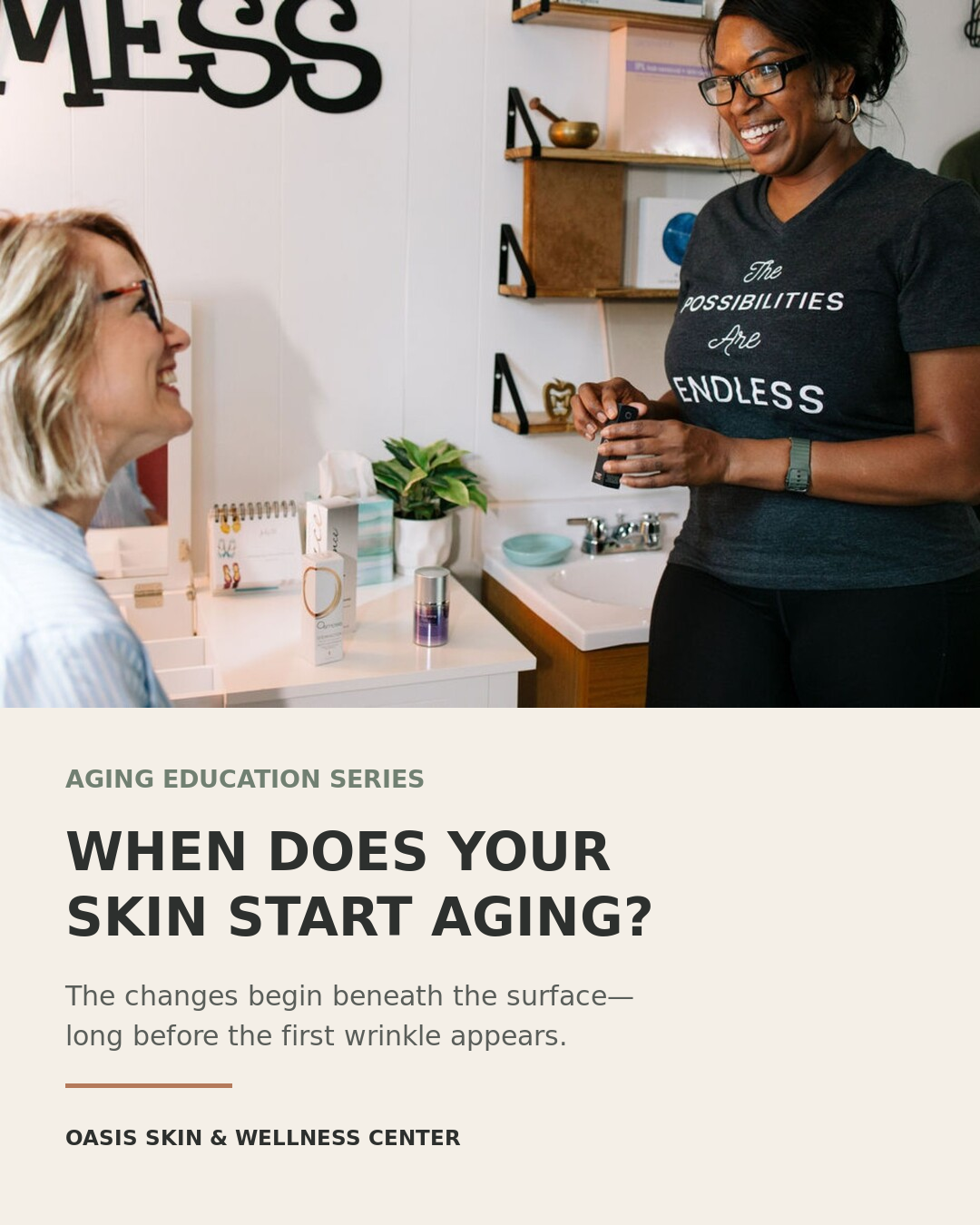
How Does The Skin Age?

Skin is a living, metabolically active organ. Every day, it must produce new cells, repair damage, maintain hydration, regulate inflammation, and protect the body from the outside world. When we are young, these processes generally happen efficiently. As we age, they gradually become slower and less coordinated.

Most people begin experiencing subtle biological changes in their skin during their 20s. That does not mean everyone will suddenly develop wrinkles at 25. It means the systems responsible for renewal and repair are no longer operating at their childhood pace.

Genetics, hormones, health, nutrition, stress, skincare habits, and sun exposure all influence how quickly those changes become visible.

Read more

What is the Future of Regenerative Skincare?

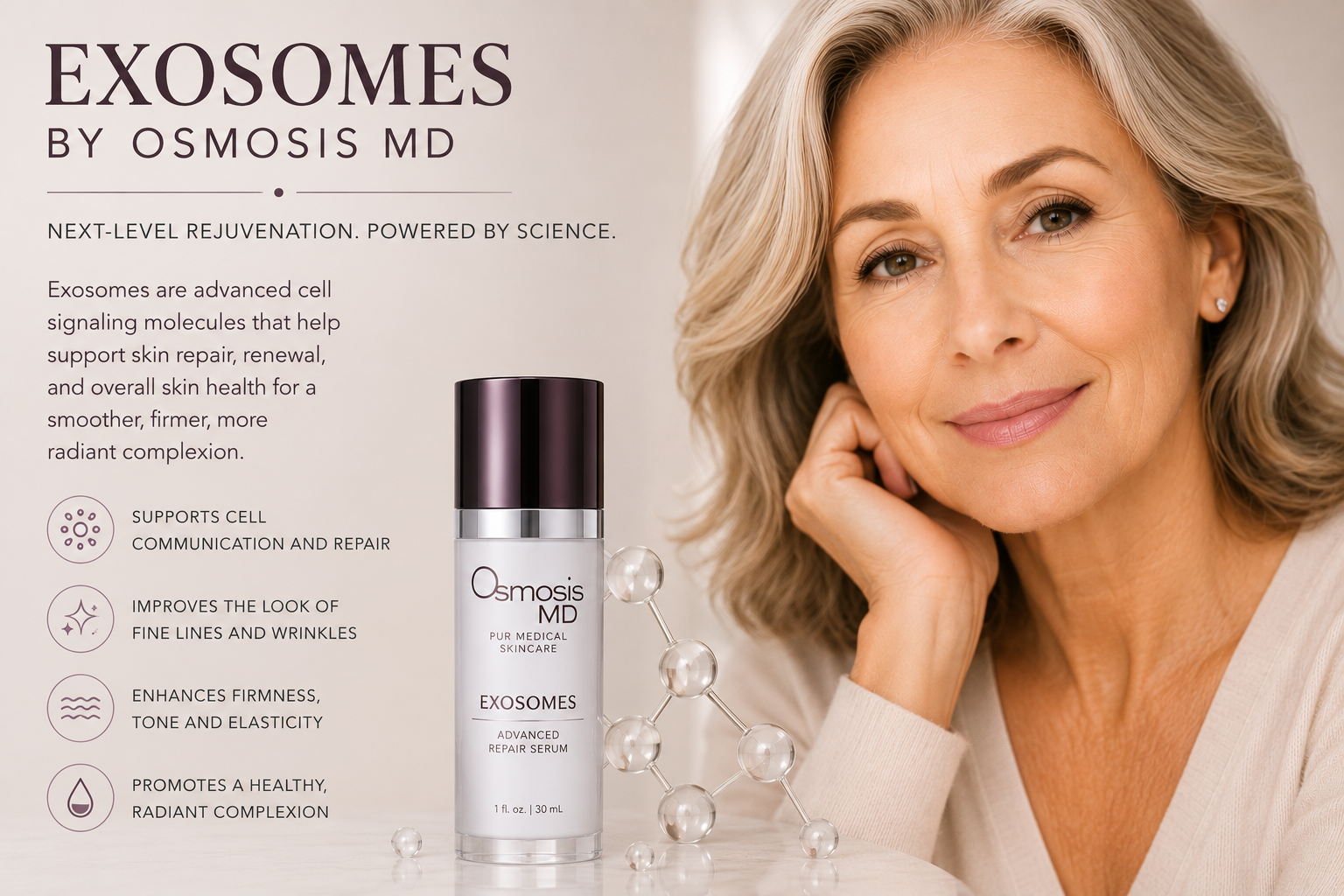
The world of aesthetic medicine is constantly evolving, and few ingredients have generated as much excitement in recent years as exosomes.

Often referred to as the “next generation” of regenerative skincare, exosomes are changing the way professionals think about skin rejuvenation, healing, and aging.

But what exactly are they?

What is an Exosome?

Read more

The Science Behind Smarter Skin Renewal

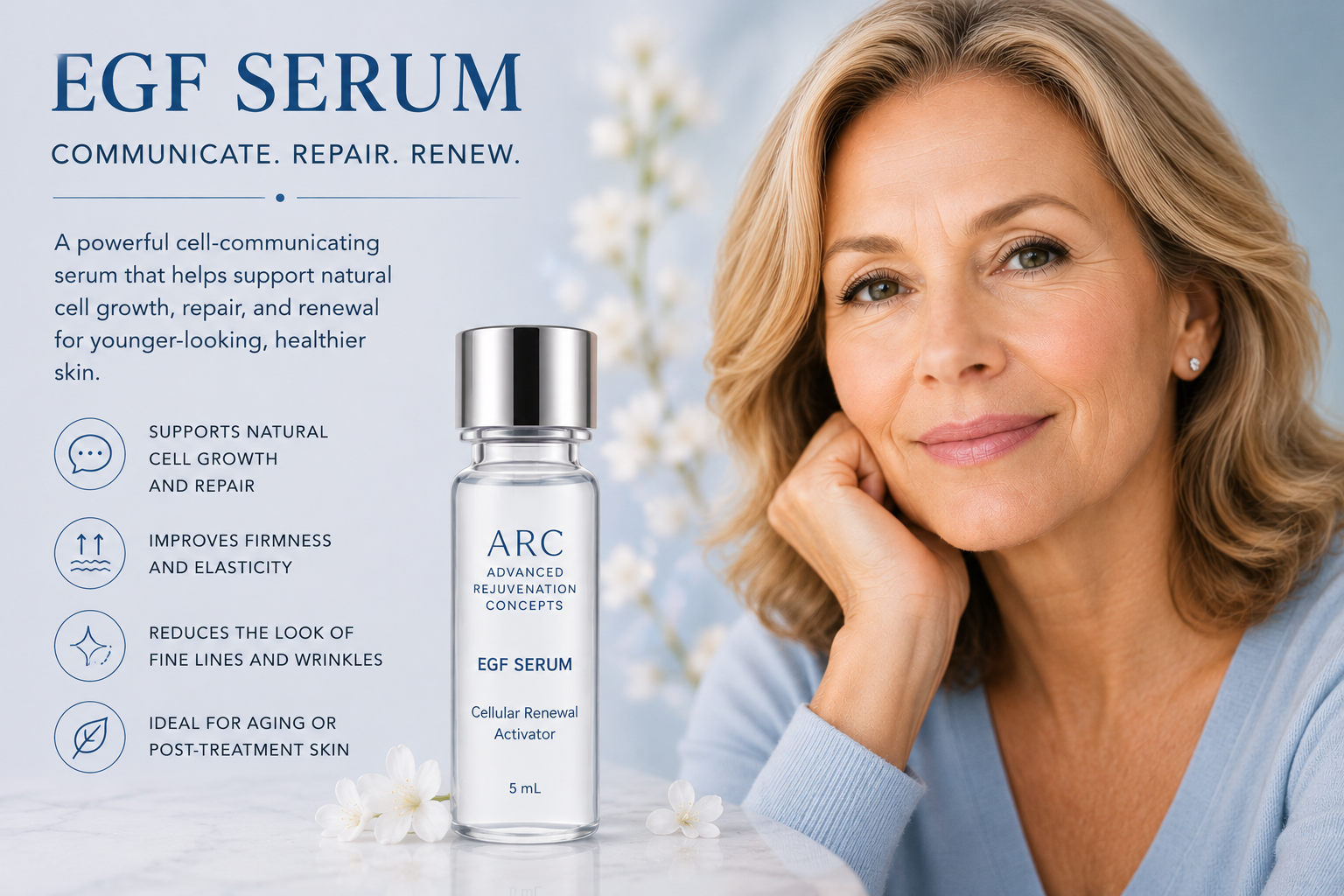
When it comes to skin rejuvenation, most people think of exfoliation, retinol, or collagen-building treatments. While those can be valuable tools, one of the most fascinating discoveries in skin science is the role of growth factors.

Among them, Epidermal Growth Factor (EGF) has become one of the most researched and respected ingredients in regenerative skincare.

What is Epidermal Growth Factor?

Read more

A Smarter Approach to Uneven Skin Tone and Pigmentation

If you’ve struggled with melasma, sun damage, post-acne marks, or stubborn discoloration, you’ve probably heard about Tranexamic Acid.

In recent years, this ingredient has become one of the most talked-about tools for addressing pigmentation concerns—and for good reason.

What is Tranexamic Acid?

Tranexamic Acid (TXA) was originally developed as a medication used to help control excessive bleeding.

Read more

Salmon PDRN: The Regenerative Skin Booster Helping Skin Act Younger

The skincare industry is constantly searching for ingredients that help the skin repair itself more effectively. One of the most exciting regenerative ingredients to emerge in recent years is PDRN, often referred to as “Salmon DNA.”

Before you wrinkle your nose, let’s talk about what it actually is and why researchers became interested in it in the first place.

What is PDRN?

PDRN stands for Polydeoxyribonucleotide. It is derived from highly purified DNA fragments obtained from salmon. Scientists discovered that salmon DNA is remarkably compatible with human tissue and can support the body’s natural repair processes.

Read more
CryoFacial Improves Skin Firmness

The Summer Skin Reset Your Face Has Been Craving

Hot summer days can leave skin dehydrated, inflamed, and stressed. ❄️ Our Oasis Cold Therapy Facial uses chilled cold wands to stimulate microcirculation, calm redness, relax facial tension, and support healthy aging — all without harsh heat or inflammation. Perfect for Southern Illinois women who love the outdoors but still want glowing, healthy skin.

Read more

Polish & Peel Facial VS Smart Peel Series

Ever feel like you’re doing all the right things for your skin—but it still looks dull, congested, or uneven? You’re cleansing, moisturizing, maybe even treating… and yet your skin just isn’t cooperating.

Between stress, hormones, busy schedules, and Midwest weather doing the absolute most, sometimes skincare at home simply isn’t enough. That’s when professional treatments stop being a luxury and start being a strategy.

At Oasis, two of our most-requested advanced resurfacing options are the Smart Peel by Truth Treatments and Polish and Peel Facial featuring the BioRePeelCl₃® BLUE. Both are powerful. Both deliver results. But they’re designed for very different skin concerns and goals.

If you’ve ever wondered which peel actually makes sense for your skin—and why choosing the wrong one can hold you back—this breakdown is for you.

Read more